
Grains Research and Development Corporation (GRDC) invests in research, development and extension to improve the profitability, sustainability and resilience of Australia’s grain growers.

"Our partnership with GRDC brings high-impact research directly into the hands of local growers. By working closely with GRDC, we’re able to focus on new technologies and science that addresses the unique challenges and opportunities of the Riverine Plains region, supporting our farming communities to be productive, profitable and sustainable into the future."
Jane McInnes
Head of Farming Systems
GRDC Podcasts

Listen to GRDC podcasts – a weekly audio series. Learn about the latest research, development and extension insights, practical agronomy advice, and innovation updates aimed at helping grain growers improve profitability and on-farm outcomes.
GRDC project investments
GRDC Research & Extension investments delivered by Riverine Plains are turning research into real on-farm impact. Explore the projects to see how innovation is being tested, proven and applied across our region.
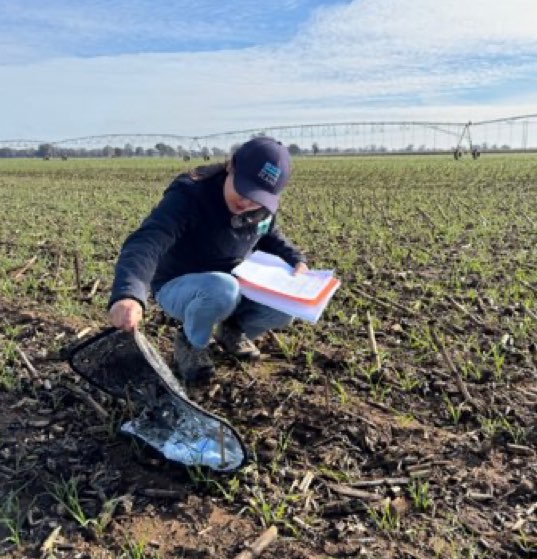
Project term: 2026-2029
This project is working with growers in southern NSW and Victoria to test practical, cultural (non chemical) strategies that reduce slug activity and improve crop establishment, while tracking practice change to strengthen confidence in non-chemical slug management.
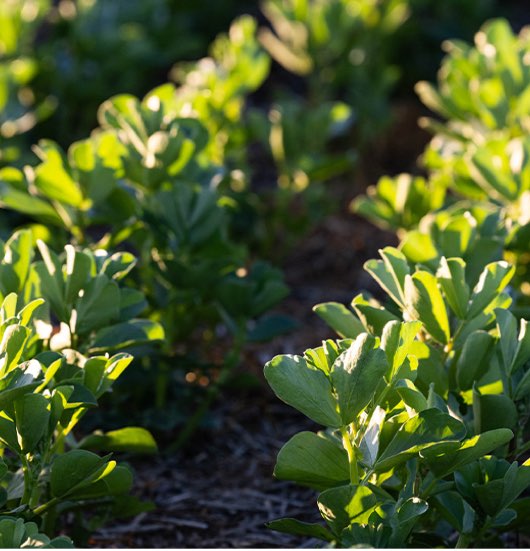
Project term: 2026-2029
Riverine Plains is supporting grain producers to improve the profitability of pulses in their rotation.
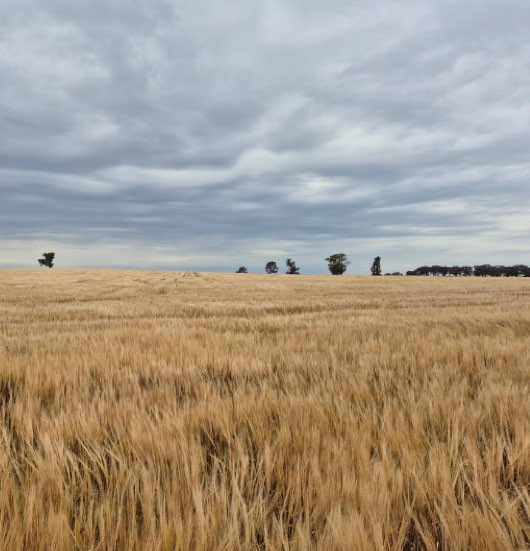
Project term: 2025-2028
Riverine Plains is working to develop and test standardised approaches for on-farm experimentation, improving data quality, confidence, and decision-making for farmers.

Project term: 2024-2028
This project supports on-farm decision-making, with a focus on understanding key aspects and financial consequences (upside returns, downside risks) of various decisions within farming businesses.
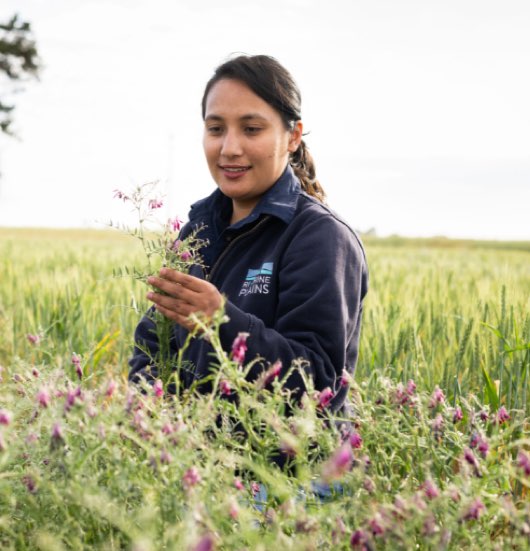
Project term: 2024-2027
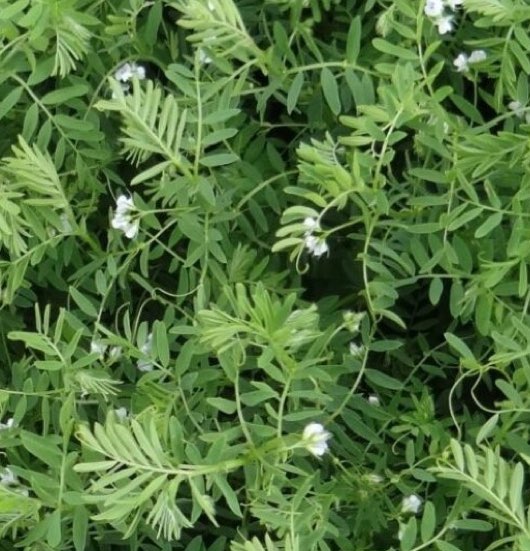
Riverine Plains is supporting grain growers to enhance soil nitrogen by sowing companion legume crops, such as vetch, alongside non-leguminous grains to reduce the reliance on synthetic fertilisers.
Project term: 2024-2026
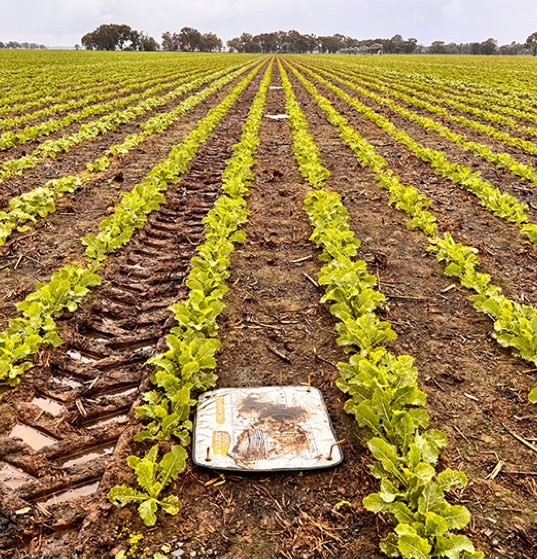
This project aims to investigate best practice to reduce slug damage in canola using chemical and non-chemical options.
Project term: 2024-2027
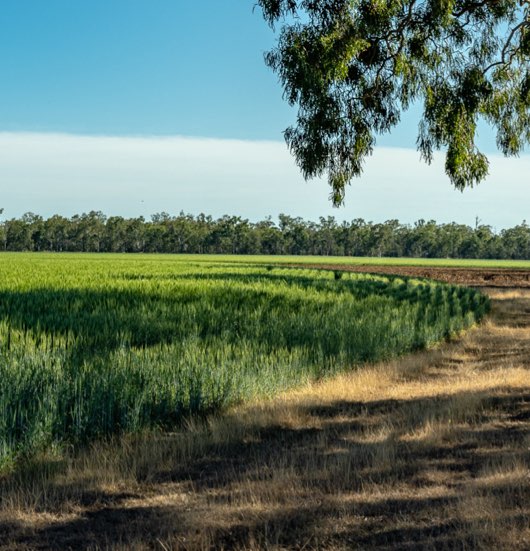
This project aims to bridge the gap between current crop yields and their full profitability potential.
Project term: 2023-2026
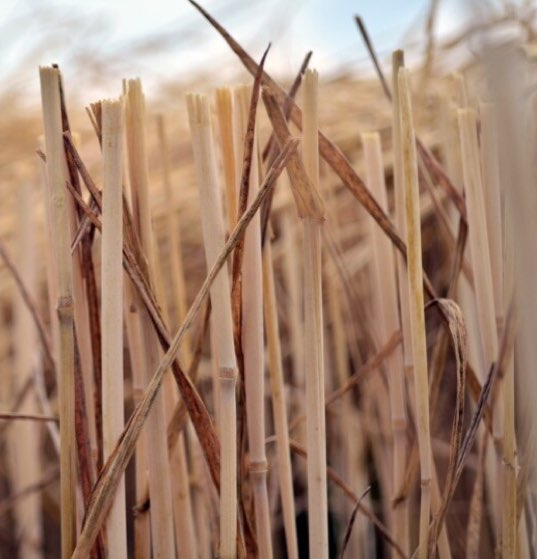
Crown rot can cause significant yield loss, and we are investigating the potential link between it, subsurface acidity and different stubble management techniques.
This project was completed in 2025
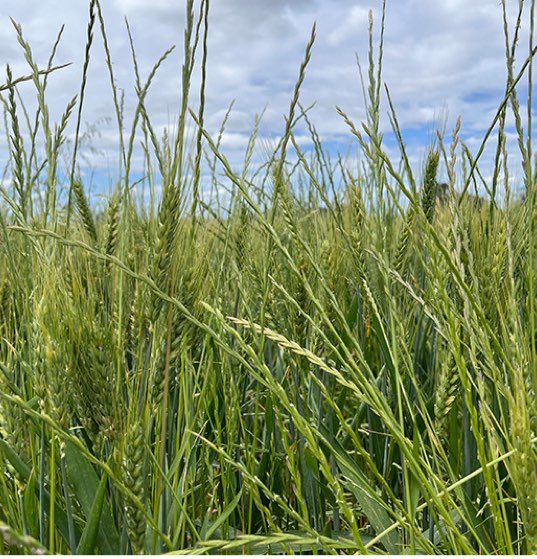
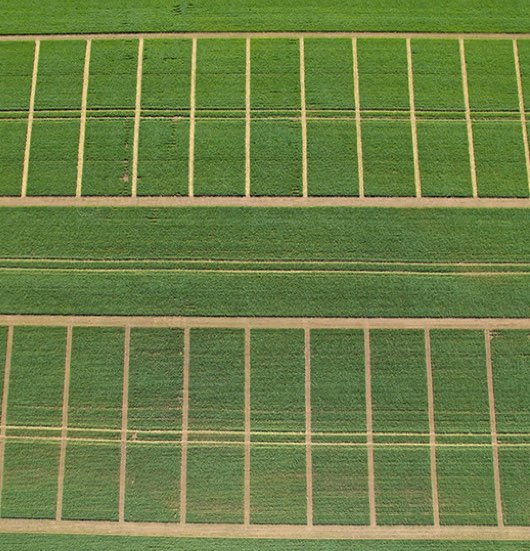
Ryegrass is a major weed of cropping systems in the Riverine Plains and we worked with farmers, researchers and advisors to reduce the risk of herbicide-resistant ryegrass developing.
This project was completed in 2025
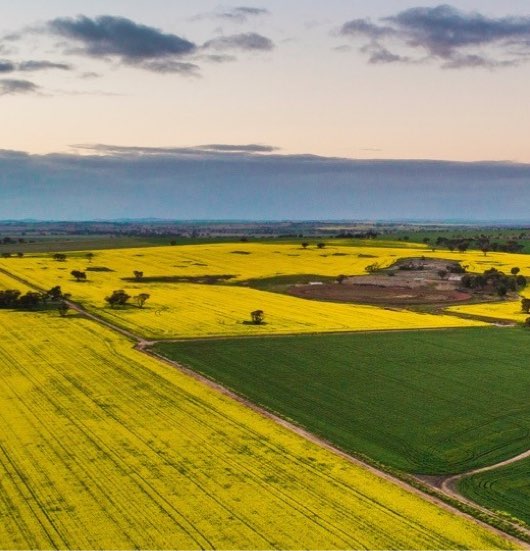
Discover best-practice liming strategies to combat soil acidity and improve your soil’s ability to maximise yields across a broader range of crops.
This project was completed in 2025
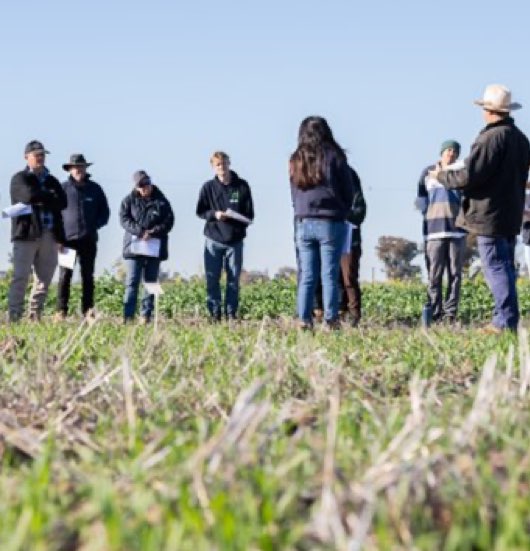
Investigating alternative sources of crop nutrition and their potential benefits to soil fertility and sustainability.
This project was completed in 2025
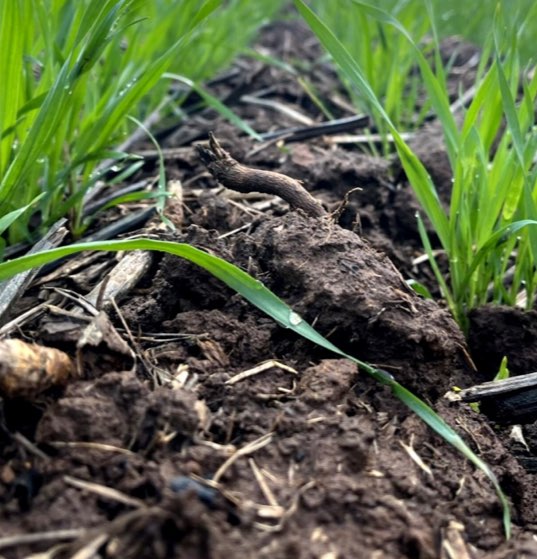
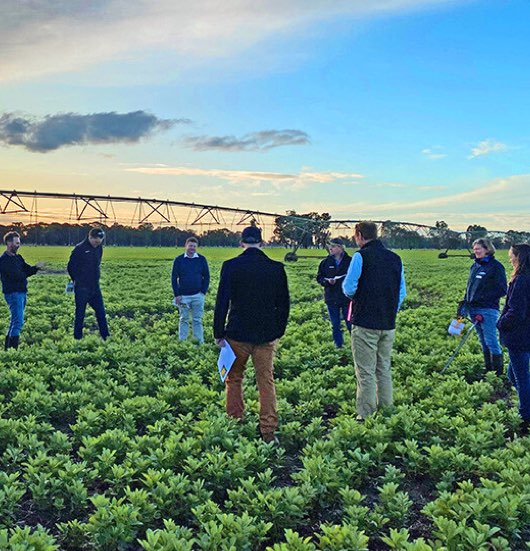
This project had a focus on farmer-to-farmer learning and the sharing of the latest local research data to maximise irrigated grain production.
This project was completed in 2025
Supporting farmers to improve their soil health in the Riverine Plains.
This project is funded by the Australian Government through the National Landcare Program Smart Farms Small Grants initiative and is a co- investment of the GRDC.
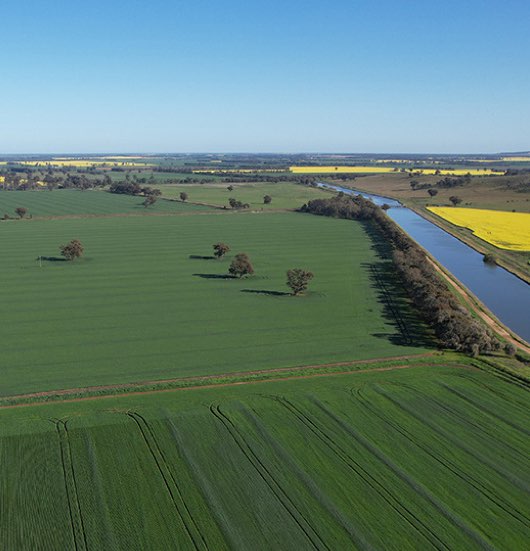
This project was completed in 2024
This project aims to show how farmers can use legumes, early sowing and nitrogen banking to safeguard the natural capital of soils for environmental and economic sustainability.
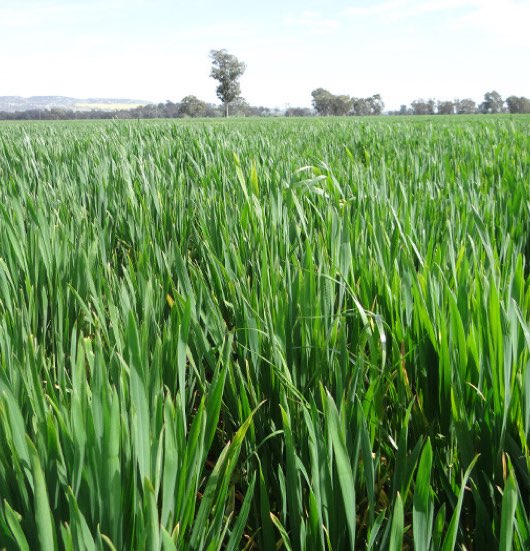
This project was completed in 2024
Helping farmers maximise the yield potential of dryland crops by benchmarking and using agronomic best practices.
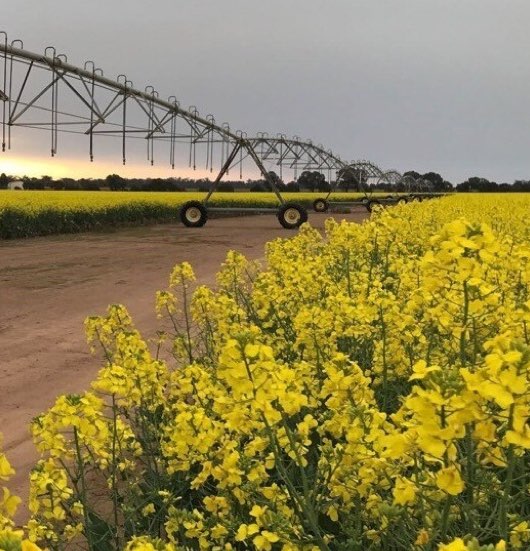
This project was completed in 2023
Facilitating peer to peer learning in irrigated systems through group discussions.
This project was completed in 2022
Better matching nitrogen supply with demand, by maintaining soil mineral nitrogen levels at a pre-determined level.
This project was completed in 2021
Boosting nitrogen fixation in pulse crops, for better yields and increased profits.
This project was completed in 2021
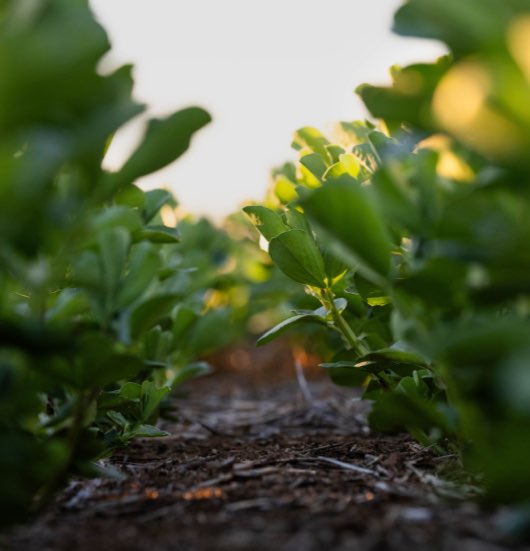
Practical insights, expert guidance, and cutting-edge research from the GRDC's Southern Pulse Agronomy program.
This project was completed in 2020
Exploring challenges and opportunities for pulse production in south east NSW.

This project was completed in 2018
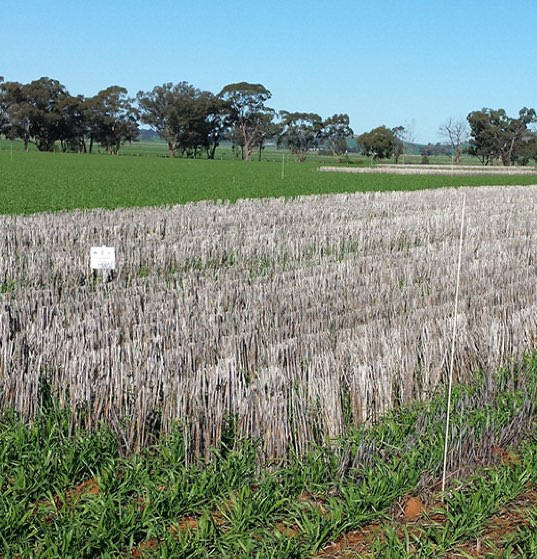
Evaluating the relationship between nitrogen levels in soil and sulphur uptake in canola.
This project was completed in 2018
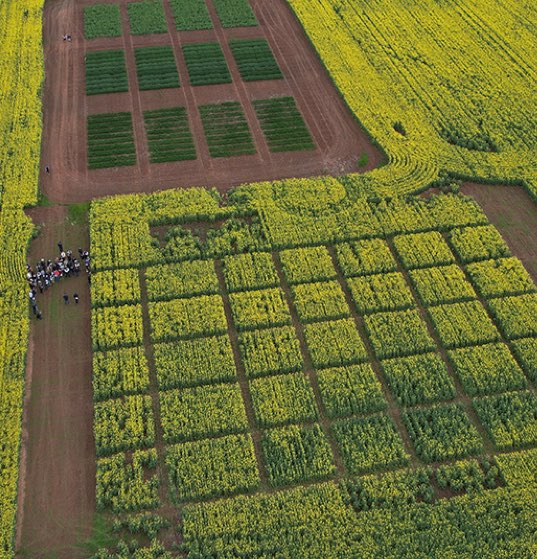
This project was part of a national initiative that compared stubble management techniques.
This project was completed in 2018
Investigating the effectiveness of non-chemical ryegrass control options at harvest time in the Riverine Plains region.
This project was completed in 2014
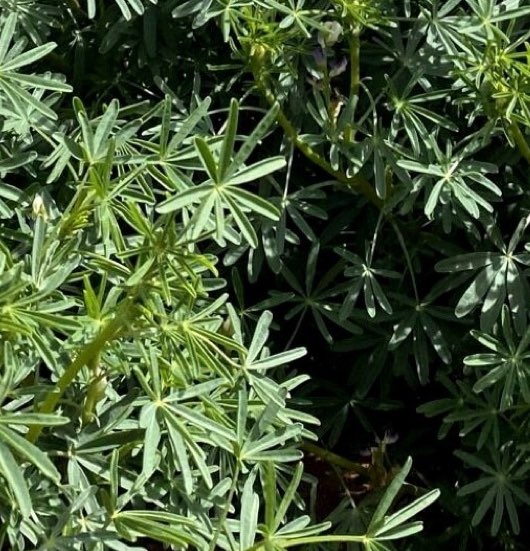
Investigating the impact of row spacing size and seeder set up on crop yield, to maximise water use efficiency.
This project was completed in 2014
Addressing the decline in broadleaf crop plantings by examining their productivity and financial benefits in cereal-based systems.
This project was completed in 2013
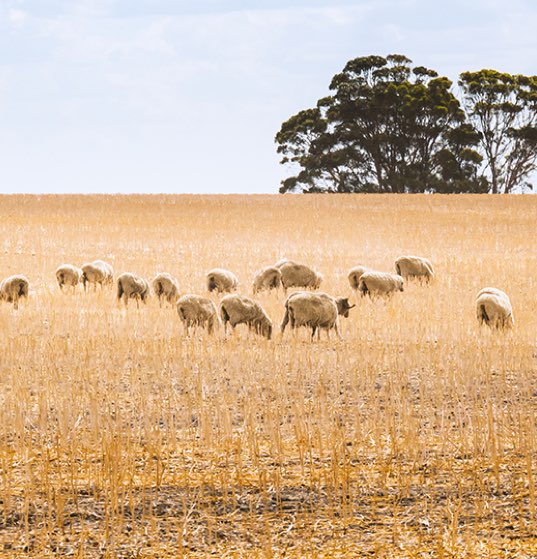
Improving feed utilisation and stock productivity with no negative on crop production, increasing overall farm profitability.

This project was completed in 2009
Improving the profitability of the overall crop rotation and in particular assessing the profitability of different crops following wheat.
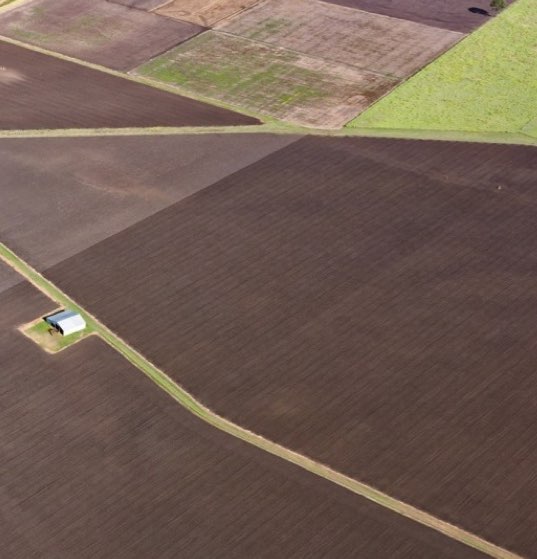
This project was completed in 2006
Zoning paddocks based on soil characteristics to optimise input allocation for maximum profitability.
GRDC Research & Extension Project Investments
GRDC Research & Extension investments delivered by Riverine Plains are turning research into real on-farm impact. Explore the projects to see how innovation is being tested, proven and applied across our region.
- Standardised on-farm experimentation approaches in the Northern Region
- RiskWi$e: Enterprise financial decisions
- Companion cropping legumes for lower cost nitrogen supply
- Optimising slug management
- Hyper profitable crops
- Link between cereal stubble, subsurface acidity and crown rot
- Demonstrating ryegrass control strategies
- Hyper yielding crops
- GRDC Pulse Check – Northern
- Zonal management in the Riverine Plains
Standardised on-farm experimentation approaches in the Northern Region
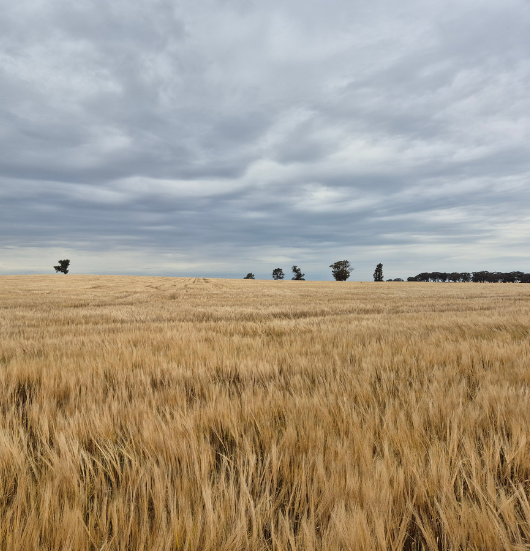
Riverine Plains is working to develop and test standardised approaches for on-farm experimentation, improving data quality, confidence, and decision-making for farmers.
RiskWi$e: Enterprise financial decisions

This project supports on-farm decision-making, with a focus on understanding key aspects and financial consequences (upside returns, downside risks) of various decisions within farming businesses.
Companion cropping legumes for lower cost nitrogen supply
%20Sabita%20vetch.jpg?width=686&height=736&name=Companion%20cropping%20(featured)%20Sabita%20vetch.jpg)
Riverine Plains is supporting grain growers to enhance soil nitrogen by sowing companion legume crops, such as vetch, alongside non-leguminous grains to reduce the reliance on synthetic fertilisers.
Optimising slug management
.png?width=530&height=551&name=NGN%20Slug%20(2).png)
This project aims to investigate best practice to reduce slug damage in canola using chemical and non-chemical options.
Hyper profitable crops
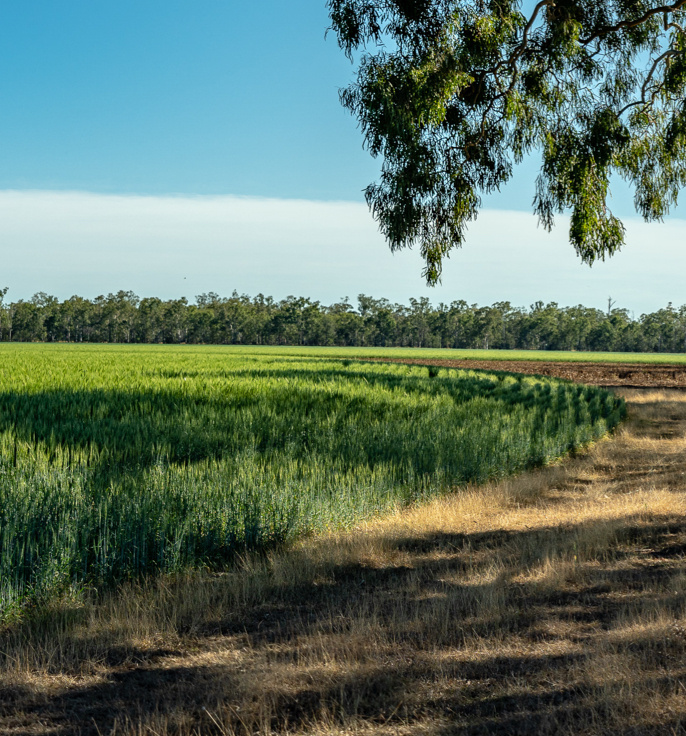
This project aims to bridge the gap between current crop yields and their full profitability potential.
Link between cereal stubble, subsurface acidity and crown rot
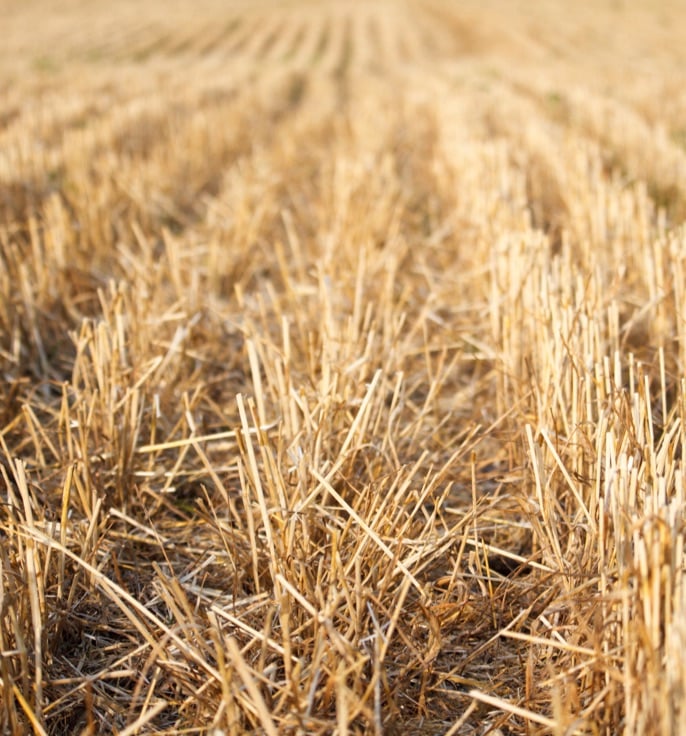
Crown rot can cause significant yield loss, and we are investigating the potential link between it, subsurface acidity and different stubble management techniques.
Demonstrating ryegrass control strategies
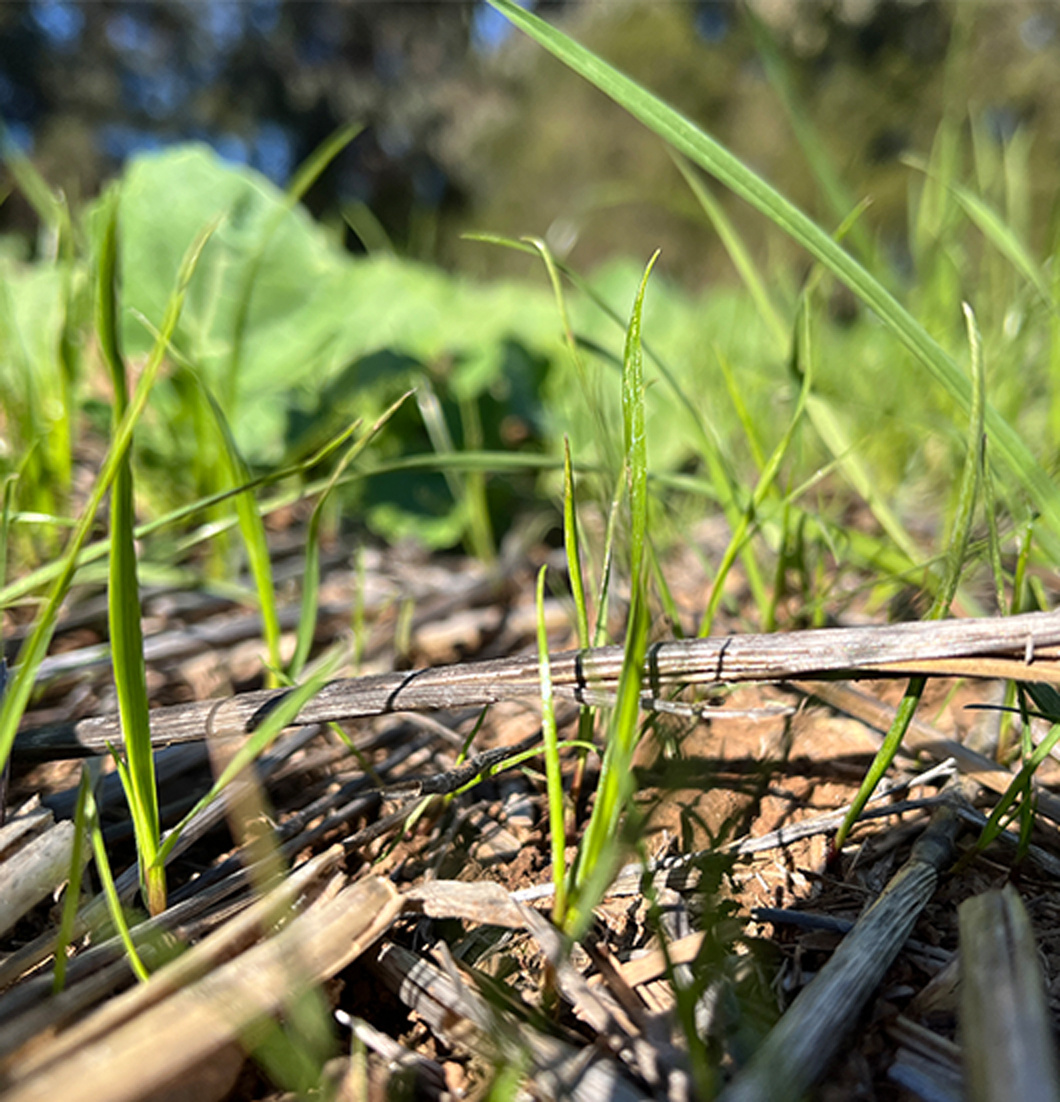
Ryegrass is a major weed of cropping systems in the Riverine Plains and we worked with farmers, researchers and advisors to reduce the risk of herbicide-resistant ryegrass developing.
Hyper yielding crops
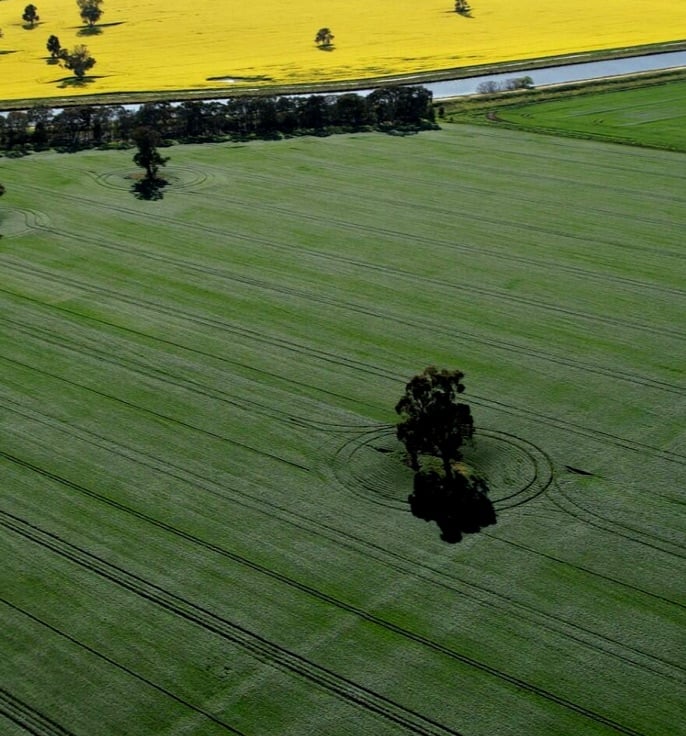
Helping farmers maximise the yield potential of dryland crops by benchmarking and using agronomic best practices.
GRDC Pulse Check – Northern
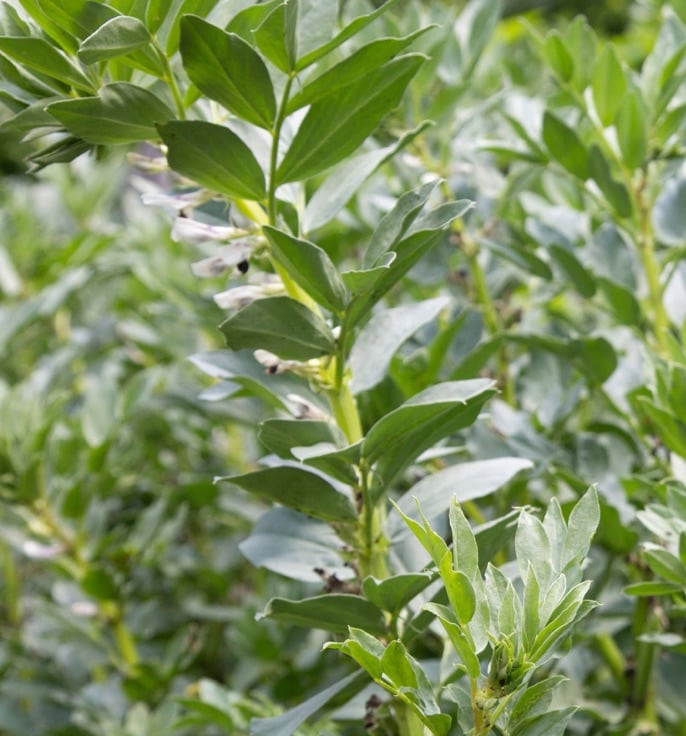
This project explored profitable pulse production through discussion groups, addressing challenges and opportunities with a focus on agronomy, soil health benefits, markets and the value chain.
Zonal management in the Riverine Plains
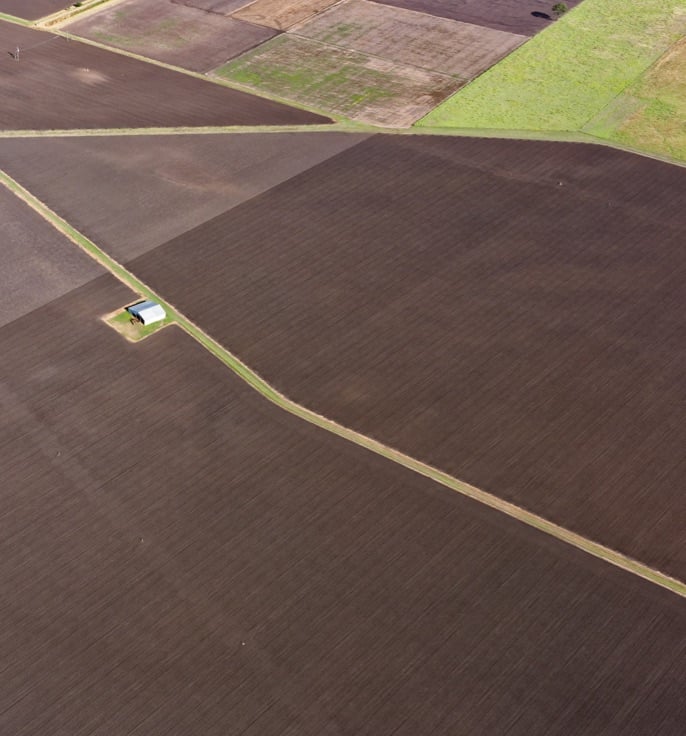
Zoning paddocks based on soil characteristics to optimise input allocation for maximum profitability.
GRDC Research & Extension investments delivered by Riverine Plains are turning research into real on-farm impact. Explore the projects to see how innovation is being tested, proven and applied across our region.
-
Standardised on-farm experimentation approaches in the Northern Region
Standardised on-farm experimentation approaches in the Northern Region
Riverine Plains is working to develop and test standardised approaches for on-farm experimentation, improving data quality, confidence, and decision-making for farmers.
-
RiskWi$e: Enterprise financial decisions
RiskWi$e: Enterprise financial decisions
This project supports on-farm decision-making, with a focus on understanding key aspects and financial consequences (upside returns, downside risks) of various decisions within farming businesses.
-
Companion cropping legumes for lower cost nitrogen supply
Companion cropping legumes for lower cost nitrogen supply
Riverine Plains is supporting grain growers to enhance soil nitrogen by sowing companion legume crops, such as vetch, alongside non-leguminous grains to reduce the reliance on synthetic fertilisers.
-
Optimising slug management
Optimising slug management
This project aims to investigate best practice to reduce slug damage in canola using chemical and non-chemical options.
-
Hyper profitable crops
Hyper profitable crops
This project aims to bridge the gap between current crop yields and their full profitability potential.
-
Link between cereal stubble, subsurface acidity and crown rot
Link between cereal stubble, subsurface acidity and crown rot
Crown rot can cause significant yield loss, and we are investigating the potential link between it, subsurface acidity and different stubble management techniques.
-
Demonstrating ryegrass control strategies
Demonstrating ryegrass control strategies
Ryegrass is a major weed of cropping systems in the Riverine Plains and we worked with farmers, researchers and advisors to reduce the risk of herbicide-resistant ryegrass developing.
-
Hyper yielding crops
Hyper yielding crops
Helping farmers maximise the yield potential of dryland crops by benchmarking and using agronomic best practices.
-
GRDC Pulse Check – Northern
GRDC Pulse Check – Northern
This project explored profitable pulse production through discussion groups, addressing challenges and opportunities with a focus on agronomy, soil health benefits, markets and the value chain.
-
Zonal management in the Riverine Plains
Zonal management in the Riverine Plains
Zoning paddocks based on soil characteristics to optimise input allocation for maximum profitability.