
Droughts are a recurring feature of Australia’s highly variable environment and are exacerbated by a changing climate. The Vic Hub works to enhance the drought preparedness and resilience of Victoria’s agricultural industries, the environment and regional communities.

"Through our partnership with the Vic Hub, we’re working closely with local communities across northeast Victoria to turn identified priorities into practical action. By building strong connections between research, extension, and on-farm needs, we’re helping farmers access the knowledge, tools, and opportunities they need to build resilience in a changing climate."
Kate Coffey
Head of Farmer Engagement
Vic Hub Podcast

If you’re looking for practical insights into drought and climate resilience in agriculture, this Vic Drought Hub podcast series is well worth a listen. It features real conversations with farmers, researchers, and industry leaders working on solutions for Australian farming systems.
Tune in to explore the latest ideas and on-the-ground perspectives:
VIC HUB Research & Extension project investments
The partnership between Riverine Plains and the Vic Hub supports farming communities across north east Victoria to better prepare for climate variability through collaboration, innovation, and knowledge sharing, informed by ongoing consultation that helps shape targeted projects and capacity-building activities. As the north east Node lead, Riverine Plains plays a key role in connecting communities to these opportunities through its established communication channels, including events, social media, email, and blog content.
Blog
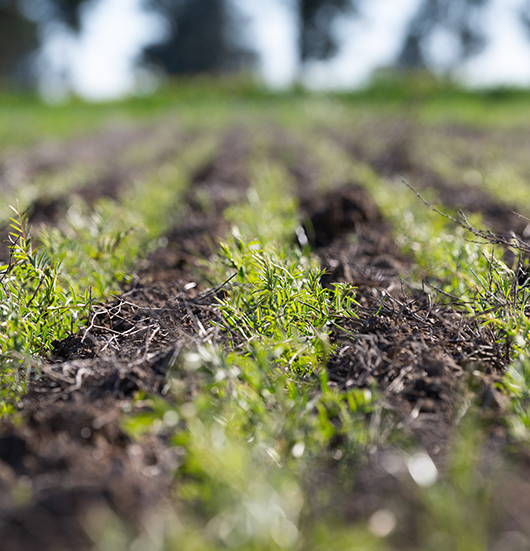
We regularly review year to date rainfall, soil moisture and yield potentials to support farmers in their seasonal decision making.
Short term weather forecast accuracy
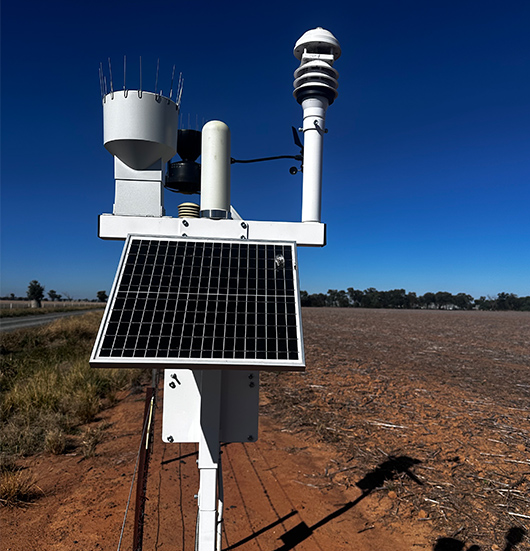
We compared several forecasting apps 5, including BoM, YR, Weatherzone and Jane's Weather, to see which aligned most closely with rainfall received at Riverine Plains weather stations.
Case study
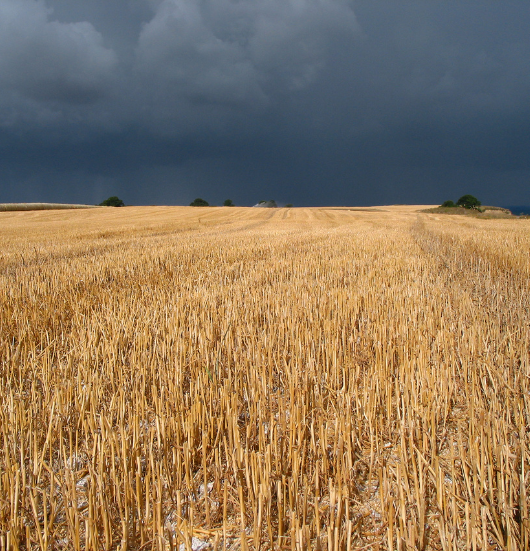
In 2025, we shared long-lead climate outlooks from Agrometeorology Australia with a group of local farmers, to see if these could support earlier risk management.
Project term: 2024-2026
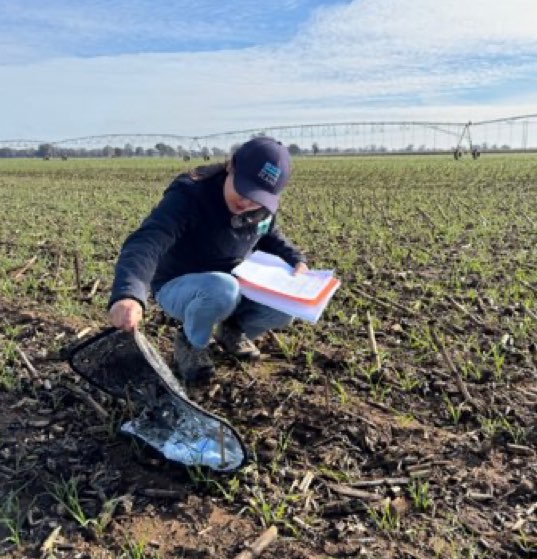
This project aims to investigate best practice to reduce slug damage in canola using chemical and non-chemical options.
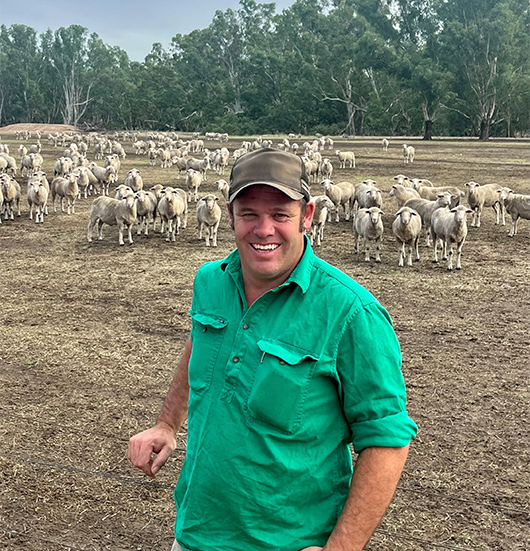
Case study
Don Piper, a mixed sheep and crop farmer from near Violet Town in Victoria, shares his experiences of using stock containment areas for sheep, including their benefits and design.
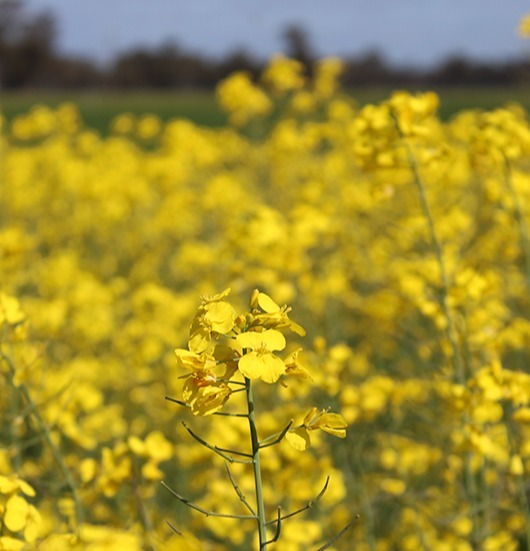
This project was completed in 2025.
This project explored a novel technology that may support successful canola establishment during challenging sowing conditions.
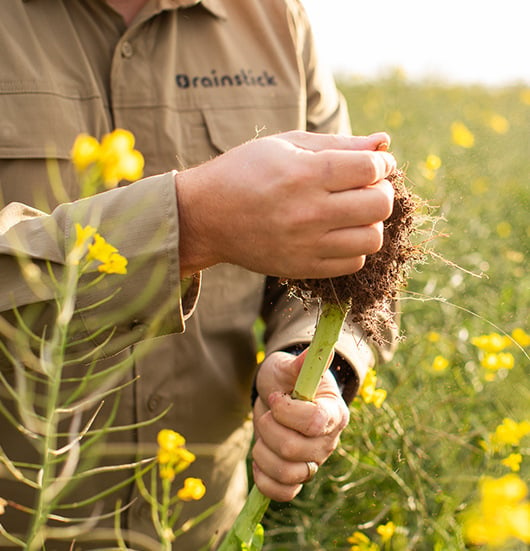
Case study
As part of a Vic Drought Hub project, Riverine Plains has produced this Case Study featuring innovative startup, Rainstick, who are combining traditional knowledge with modern technology to boost canola establishment.
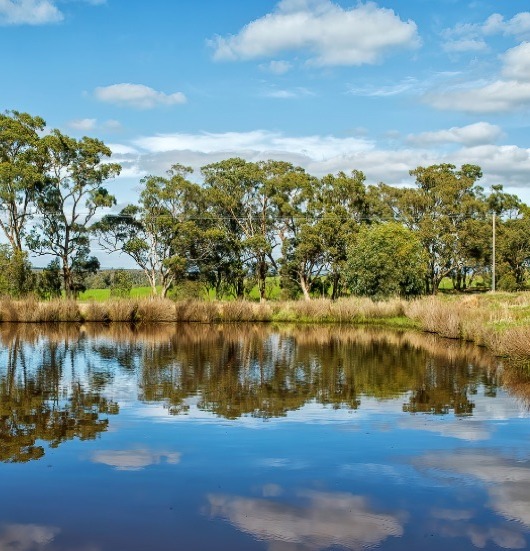
This project was completed in 2025.
Understanding the suitability of existing farm dams to capture run-off from rain events can help farmers improve their drought resilience.
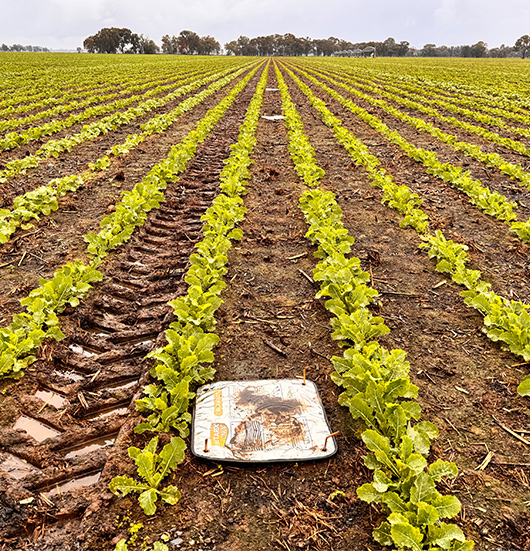
This project was completed in 2024.
Report prepared by Dr MA Nash for Riverine Plains, October 2024.
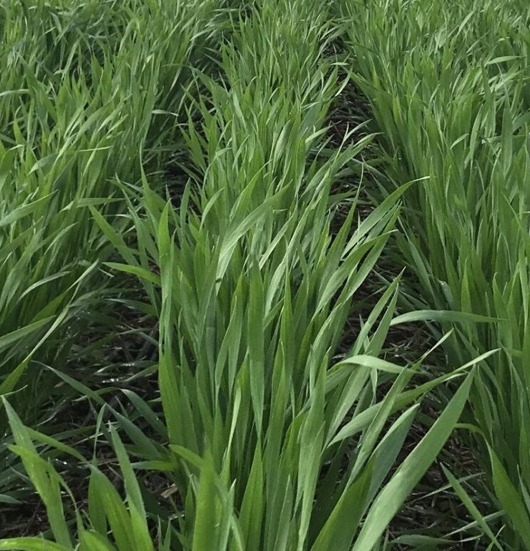
This project was completed in 2024.
With the threat of drought ever-present in the Australian landscape, researchers are investigating a range of different strategies to improve drought resilience in farming systems.
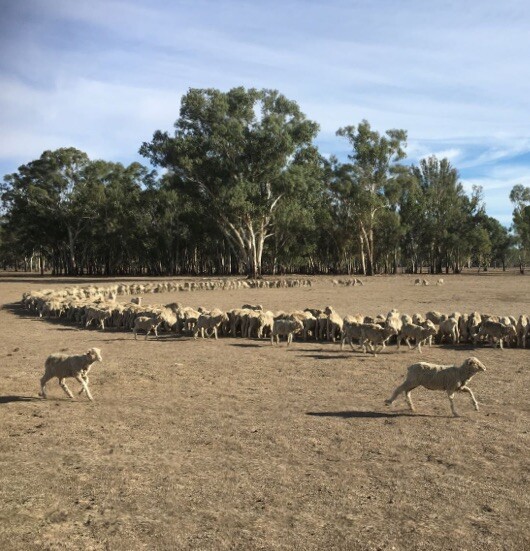
This project was completed in 2023.
Helping farmers maximise stock management areas and EID technology.
.jpeg)
This project was completed in 2023.
Helping farmers with containment feeding strategies, trigger points, monitoring tools, and dual-purpose crops.
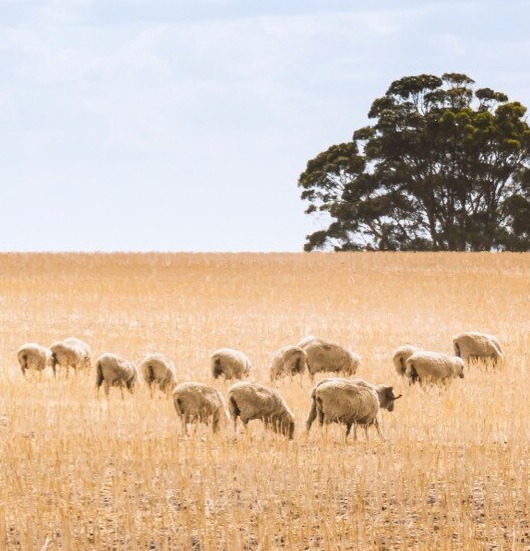
This project was completed in 2023.
Using eID technology to help farmers collect information and make better decisions.
This project was completed in 2022.
Understanding the barriers to using stock containment areas in times of drought.
Program
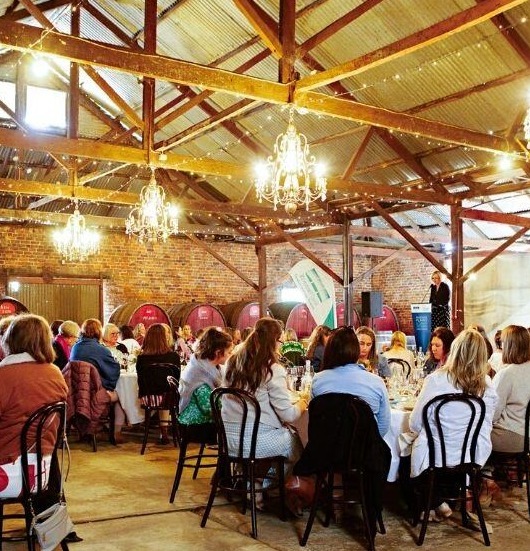
Celebrate and be inspired by the achievements of rural women on International Rural Women’s Day.

GRDC Research & Extension Project Investments
GRDC Research & Extension investments delivered by Riverine Plains are turning research into real on-farm impact. Explore the projects to see how innovation is being tested, proven and applied across our region.
- Standardised on-farm experimentation approaches in the Northern Region
- RiskWi$e: Enterprise financial decisions
- Companion cropping legumes for lower cost nitrogen supply
- Optimising slug management
- Hyper profitable crops
- Link between cereal stubble, subsurface acidity and crown rot
- Demonstrating ryegrass control strategies
- Hyper yielding crops
- GRDC Pulse Check – Northern
- Zonal management in the Riverine Plains
Standardised on-farm experimentation approaches in the Northern Region
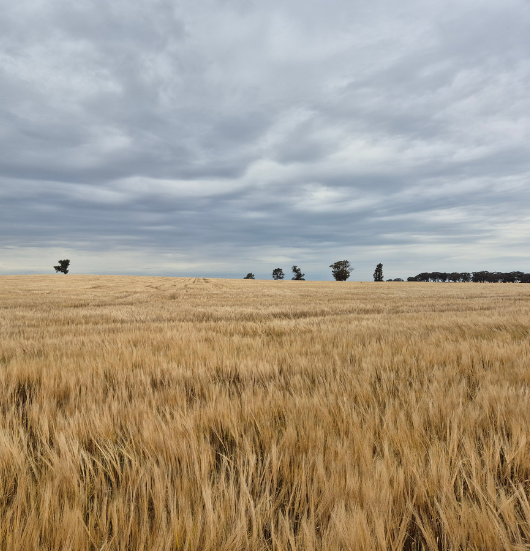
Riverine Plains is working to develop and test standardised approaches for on-farm experimentation, improving data quality, confidence, and decision-making for farmers.
RiskWi$e: Enterprise financial decisions

This project supports on-farm decision-making, with a focus on understanding key aspects and financial consequences (upside returns, downside risks) of various decisions within farming businesses.
Companion cropping legumes for lower cost nitrogen supply
%20Sabita%20vetch.jpg?width=686&height=736&name=Companion%20cropping%20(featured)%20Sabita%20vetch.jpg)
Riverine Plains is supporting grain growers to enhance soil nitrogen by sowing companion legume crops, such as vetch, alongside non-leguminous grains to reduce the reliance on synthetic fertilisers.
Optimising slug management
.png?width=530&height=551&name=NGN%20Slug%20(2).png)
This project aims to investigate best practice to reduce slug damage in canola using chemical and non-chemical options.
Hyper profitable crops
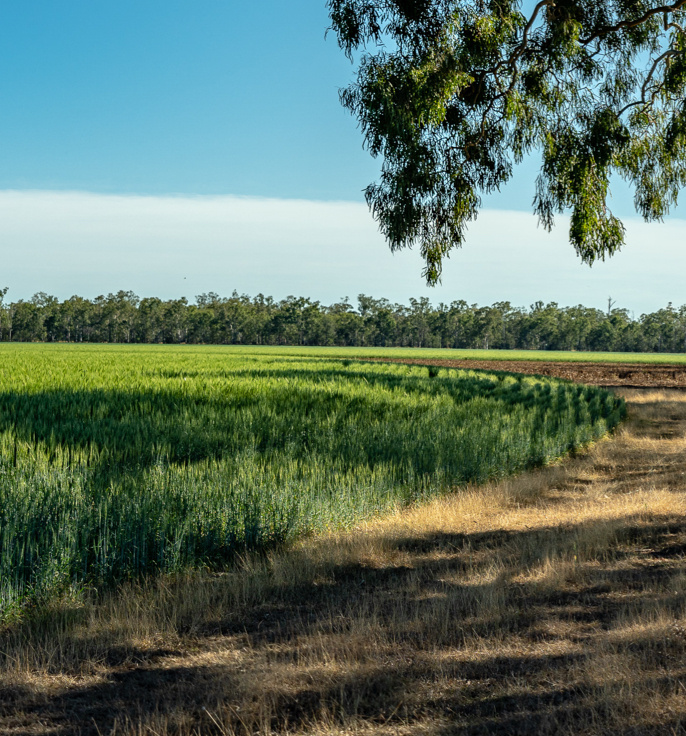
This project aims to bridge the gap between current crop yields and their full profitability potential.
Link between cereal stubble, subsurface acidity and crown rot
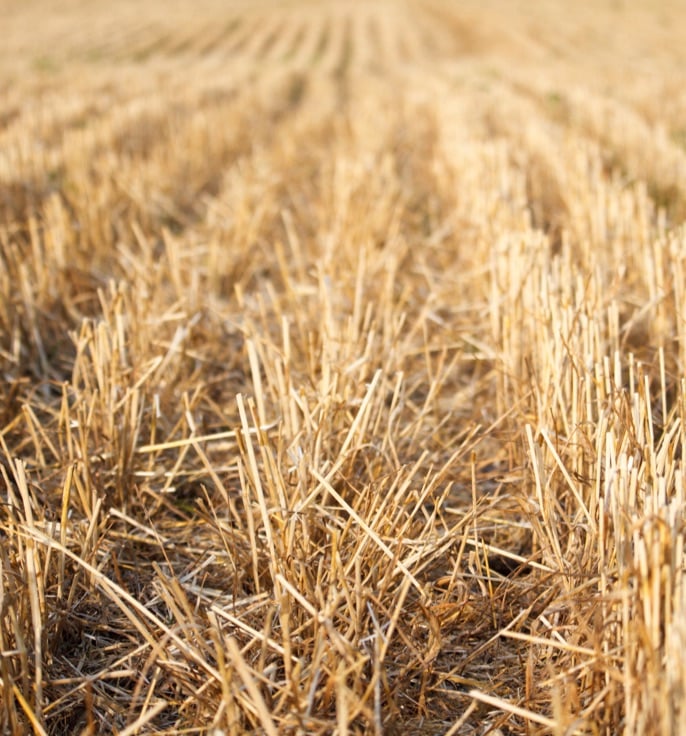
Crown rot can cause significant yield loss, and we are investigating the potential link between it, subsurface acidity and different stubble management techniques.
Demonstrating ryegrass control strategies
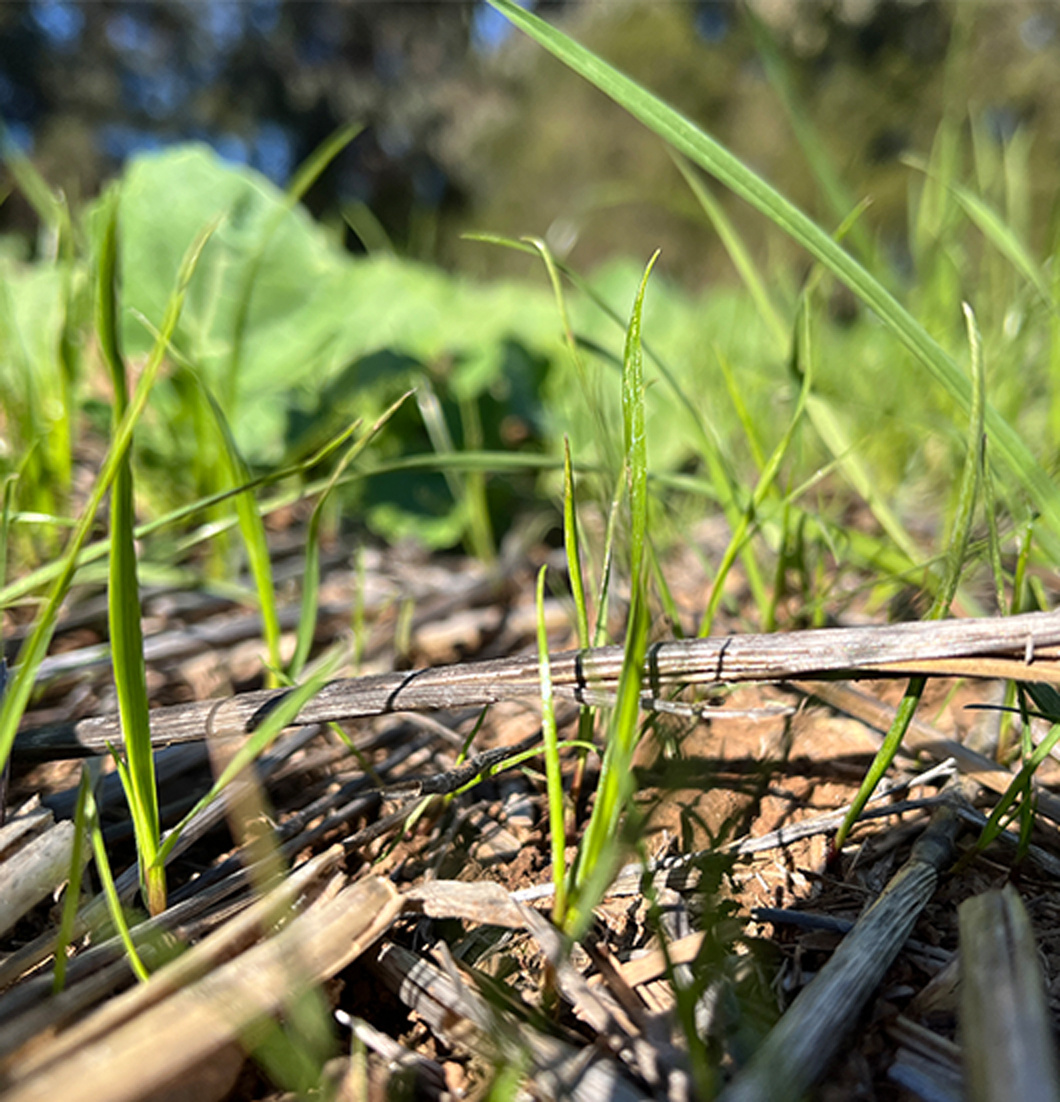
Ryegrass is a major weed of cropping systems in the Riverine Plains and we worked with farmers, researchers and advisors to reduce the risk of herbicide-resistant ryegrass developing.
Hyper yielding crops
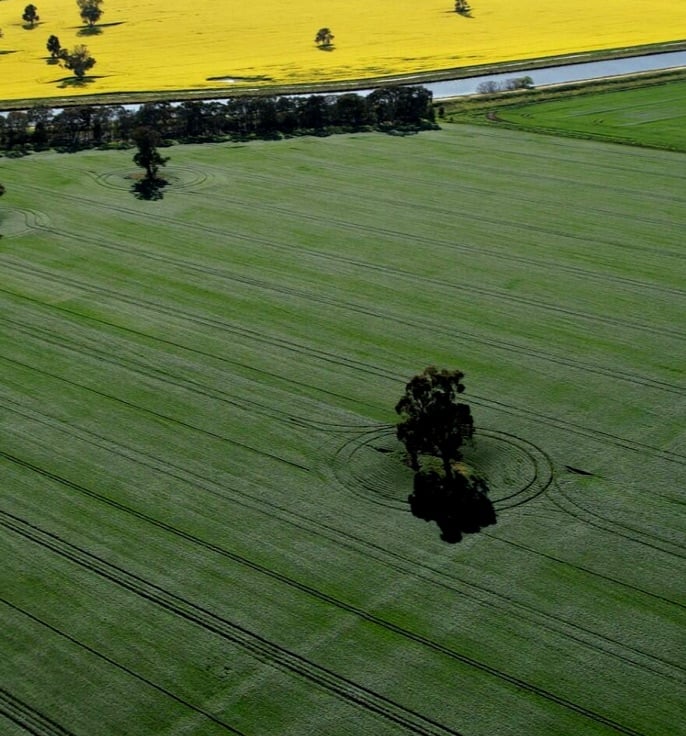
Helping farmers maximise the yield potential of dryland crops by benchmarking and using agronomic best practices.
GRDC Pulse Check – Northern
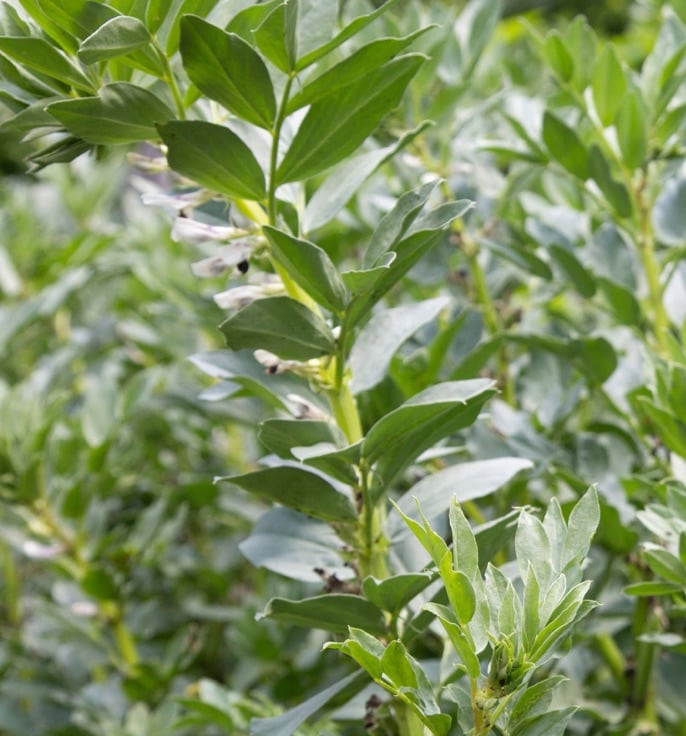
This project explored profitable pulse production through discussion groups, addressing challenges and opportunities with a focus on agronomy, soil health benefits, markets and the value chain.
Zonal management in the Riverine Plains
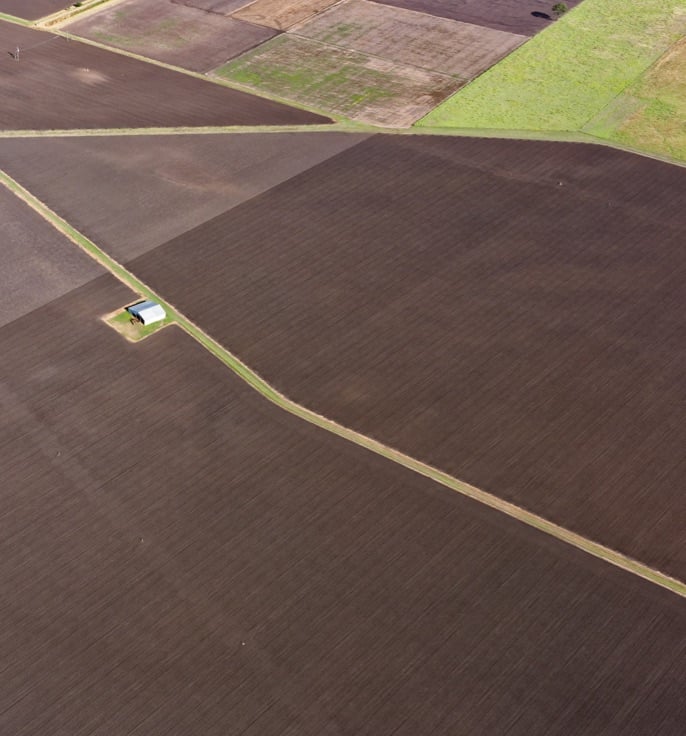
Zoning paddocks based on soil characteristics to optimise input allocation for maximum profitability.
GRDC Research & Extension investments delivered by Riverine Plains are turning research into real on-farm impact. Explore the projects to see how innovation is being tested, proven and applied across our region.
-
Standardised on-farm experimentation approaches in the Northern Region
Standardised on-farm experimentation approaches in the Northern Region
Riverine Plains is working to develop and test standardised approaches for on-farm experimentation, improving data quality, confidence, and decision-making for farmers.
-
RiskWi$e: Enterprise financial decisions
RiskWi$e: Enterprise financial decisions
This project supports on-farm decision-making, with a focus on understanding key aspects and financial consequences (upside returns, downside risks) of various decisions within farming businesses.
-
Companion cropping legumes for lower cost nitrogen supply
Companion cropping legumes for lower cost nitrogen supply
Riverine Plains is supporting grain growers to enhance soil nitrogen by sowing companion legume crops, such as vetch, alongside non-leguminous grains to reduce the reliance on synthetic fertilisers.
-
Optimising slug management
Optimising slug management
This project aims to investigate best practice to reduce slug damage in canola using chemical and non-chemical options.
-
Hyper profitable crops
Hyper profitable crops
This project aims to bridge the gap between current crop yields and their full profitability potential.
-
Link between cereal stubble, subsurface acidity and crown rot
Link between cereal stubble, subsurface acidity and crown rot
Crown rot can cause significant yield loss, and we are investigating the potential link between it, subsurface acidity and different stubble management techniques.
-
Demonstrating ryegrass control strategies
Demonstrating ryegrass control strategies
Ryegrass is a major weed of cropping systems in the Riverine Plains and we worked with farmers, researchers and advisors to reduce the risk of herbicide-resistant ryegrass developing.
-
Hyper yielding crops
Hyper yielding crops
Helping farmers maximise the yield potential of dryland crops by benchmarking and using agronomic best practices.
-
GRDC Pulse Check – Northern
GRDC Pulse Check – Northern
This project explored profitable pulse production through discussion groups, addressing challenges and opportunities with a focus on agronomy, soil health benefits, markets and the value chain.
-
Zonal management in the Riverine Plains
Zonal management in the Riverine Plains
Zoning paddocks based on soil characteristics to optimise input allocation for maximum profitability.